The purpose of the Oscars is to award artistic and technical merit in the film industry. Or at least, that was what it used to be.
The films I reviewed for my Formal Film Studies project were all snubbed of Best Animated Feature wins despite being critically scored higher than the respective winners. The Tale of Princess Kaguya (2013), Song of the Sea (2014), and My Life As A Zucchini (2016) all have Rotten Tomatoes scores higher than Big Hero 6 (2014) and Zootopia (2016), and yet those films won. The conclusion I have come to as to why is a combination of marketability, studio monopolization, and predictably: money.
 |
Let's begin with why these films didn't win. To put it simply, I believe it is because they can't be marketed to a wide enough audience and are considered too "niche" to win for the genre of animation. Critics raved about these films when they came out, but they just weren't ubiquitous enough for the Oscars. Animated films are expected to be family-friendly, simple, and easy to watch together; it's equivalent to the "kids" category at the Oscars. While this belief about animation is definitely becoming more and more outdated as time goes on, the Academy hasn't caught on. Sure, they nominate the more "adult" animated features like Persepolis (2007) or Chico and Rita (2010), but films like these have never won for Best Animated Feature. The Tale of Princess Kaguya, Song of the Sea, and My Life As A Zucchini can all be considered family movies, but they touch on darker topics and themes much more realistically than a Disney or DreamWorks movie would. No qualms would be had about the next Frozen sequel winning, but you can bet people would be mad or at the very least perplexed if a foreign film about abused kids in an orphanage (My Life As A Zucchini) won, and like all of Hollywood, reputation is everything to the Academy, because it determines how many people watch the Oscars each year.
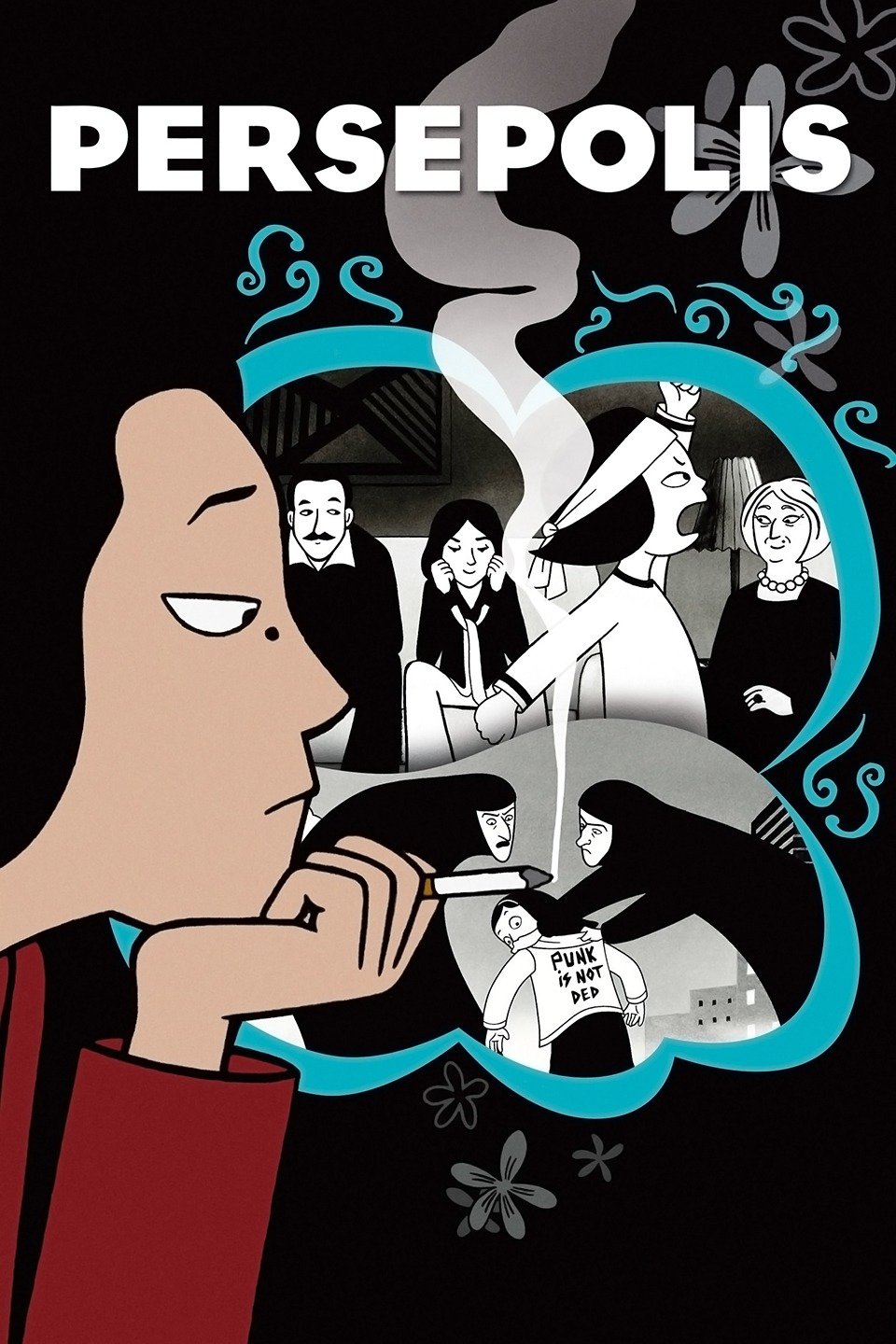
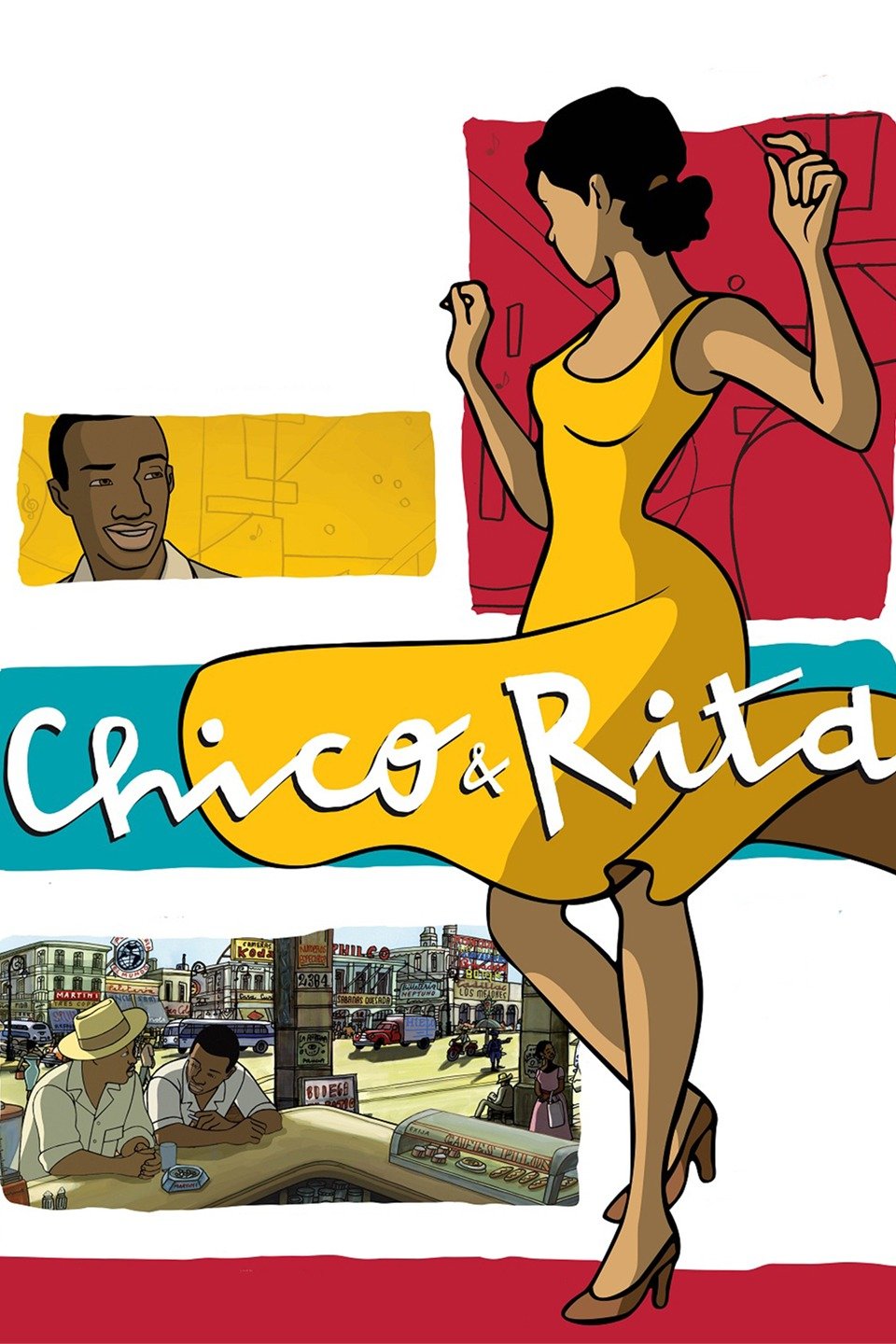
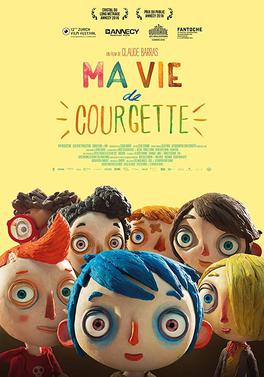
The next reason I believe these films did not win is because of their foreign origin, which plays in to the whole "marketability" issue. I'm not going to call the Oscars xenophobic, but country of origin definitely affects what and who is chosen to win (of course this exists outside the animation category as well, although it may have shifted with Parasite's win this year-- this article delves into this in more depth). The only movie to ever win the Best Animated Feature award history from outside the United States was Spirited Away created by Studio Ghibli (a Japanese animation studio) in 2002, and the movie was co-produced and distributed by Disney anyway. The Tale of Princess Kaguya is also from Studio Ghibli, Song of the Sea is from the Irish studio Cartoon Saloon, and My Life As A Zucchini is a Swiss-French production that I could only find a subtitled version of. None of these films received a large reception in the United States, and thus may have been considered less marketable as a winner of Best Animated Feature because no one from the US (the Oscars' core audience) would have heard of them before. This is an issue not only because it pushes incredible films away from the spotlight, but because it could discourage foreign studios from trying to make films like these in the future.
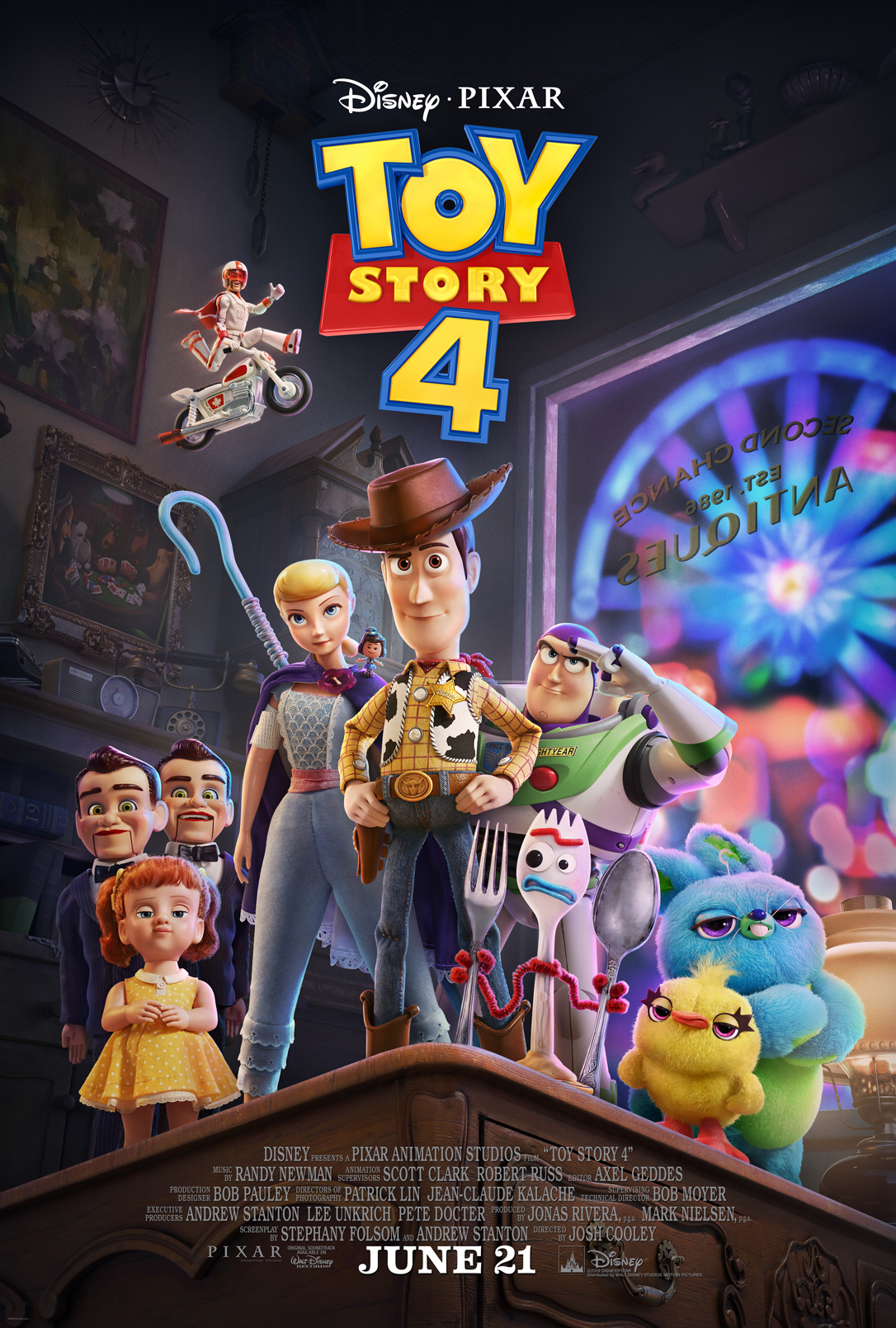
Another reason I've come to as to why these films did not win, and which also plays into marketability, is the style of animation that usually wins at the Oscars. Computer animation or CGI is definitely the main choice nowadays, with Disney having shifted over entirely. Nearly all of the winners for Best Animated Feature are CGI, with the exception of Spirited Away once again, being 2D/hand-animated, and Wallace and Gromet: The Curse of the Were-Rabbit (2005) using stop motion. None of the films I reviewed for this project used CGI, and they were all beautifully made and lovely to look at, especially The Tale of Princess Kaguya and Song of the Sea, both using uniquely stylized 2D animation. Don't get me wrong; CGI can be insanely visually appealing; this year's winner Toy Story 4 felt like I was looking at real life at some points-- but I wish there was more variety considered when it comes to the animation industry as a whole, and especially when films are being considered for their excellence at an awards show like the Oscars.
 |
| (Song of the Sea) |
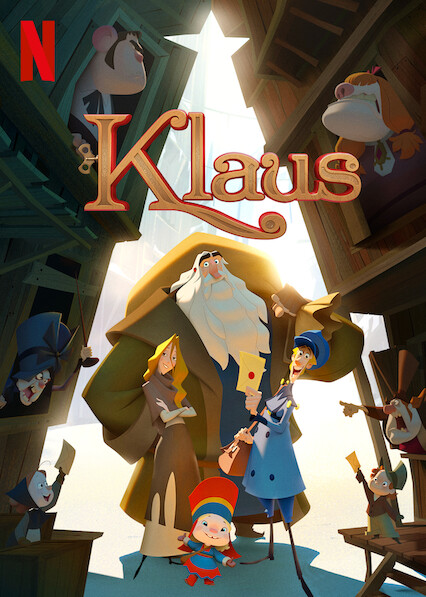
So, we've covered why these films didn't win, but we can't truly understand without examining why Big Hero 6 and Zootopia did. Essentially, it's because they're from Disney. The company has such a monopoly over the industry that sometimes it's hard to imagine the Academy not selecting their films to win. According to this article by Joanna Robinson from Vanity Fair, the reason why the Spiderman: Into The Spiderverse win from the 2019 Awards was such a huge deal was because "it meant the playing field was open for everyone." Spiderverse broke Disney's six year reign as the winner of the Best Animated Feature award, and although it is from another large studio (Sony Pictures Animation), it proved that there was still room for others in the running for Best Animated Feature. It made me a bit disappointed to see that Toy Story 4 won this year, because Disney definitely does not need another ego boost. Personally, I was rooting for Klaus (2019), because of its amazingly fluid and textured 2D animation and also because it was a Spanish film produced and distributed by Netflix, which would keep the hope alive that Disney didn't have an iron grip over the Academy's animation vote. Furthermore, I don't want to dip into conspiracy territory, but another reason Disney may have (and keep) the throne when it comes to the Oscars is due to the massive box office numbers they rake in with nearly every film. Big Hero 6 accumulated $657.8 million and Zootopia amassed nearly twice that with $1.024 billion (according to Box Office Mojo). None of the films I reviewed came close to these figures, and depending on how many Disney representatives are a part of the Academy, revenue could play a part in deciding which films win. It definitely would go against their "excellence in film message," but I wouldn't be surprised if there was a monetary influence here. More revenue means the movie is more popular, which means the Academy gets more viewers during the Awards. Additionally, the box-office bonus that comes with winning an Oscar would be an obvious goal for the ever-money-hungry Disney.

But what does all of this mean for the future of the Best Animated Feature award, and the direction of the animation industry in general? Well, as for how the winner is decided for Best Animated Feature, it's possible there will be changes in the future as the Academy get more and more praise for awarding a somewhat unexpected film with Best Picture this year. Furthermore, as I mentioned in my last Formal Film Studies post, I do believe that critical rating should play into which movies are nominated and ultimately win. If the message behind the Academy's purpose still stands, then they should put aside their biases toward marketable and easily digested films, and refer to those who know about excellency in film, and I would presume critics know better than anyone (most of the time). Either way, I hope that there is still a competition to be had between Disney and the smaller studios for the Best Animated Feature award, and that films like The Tale of Princess Kaguya, Song of the Sea, and My Life As A Zucchini still have a chance to get the spotlight they truly deserve.
Comments
Post a Comment